
Dua following Namaz is a cherished practice, readily available as a pdf resource on sites like duas․org, offering solace and seeking divine favor․
Significance of Dua in Islam
Dua, or supplication, holds immense significance in Islam, representing a direct connection between the believer and Allah․ It’s a profound act of worship, acknowledging dependence on the Divine․ Accessing a dua after namaz pdf facilitates consistent practice․ The Prophet Muhammad ﷺ emphasized its power, stating it can alter destiny․
Post-Namaz dua, specifically, is considered highly potent, offered during a time when acceptance is most likely․ Resources like duas․org provide guidance, ensuring correct recitation and understanding of these vital supplications, strengthening faith and seeking blessings․
The Importance of Post-Namaz Dua
Performing dua immediately after Namaz is exceptionally valuable, as it follows a state of heightened spiritual connection․ Many seek a convenient dua after namaz pdf to aid consistent practice․ Authentic narrations highlight the Prophet’s ﷺ emphasis on these supplications, including Astaghfirullah, Ayatul Kursi, and Tasbeeh․
This practice isn’t merely ritualistic; it’s a sincere plea for forgiveness, gratitude, and guidance․ Utilizing resources like duas․org ensures correct pronunciation and understanding, maximizing the benefits of this powerful devotion․
Core Duas Recited After Each Namaz
Essential duas – Astaghfirullah, Ayatul Kursi, and Tasbeeh – form the core of post-Namaz supplication, often found in a pdf format․
Astaghfirullah (Seeking Forgiveness) ― 3 Times
Astaghfirullah, meaning “I seek forgiveness from Allah,” is recited three times immediately after completing each obligatory prayer․ This powerful invocation acknowledges human fallibility and expresses sincere remorse for any shortcomings in worship or daily life․ Numerous pdf guides detailing post-Namaz practices emphasize its importance․ Repeating this dua demonstrates humility and a continuous striving for purification․ It’s a foundational element, readily accessible in downloadable resources, fostering a deeper connection with the Divine and seeking His boundless mercy․ The consistent recitation is a testament to a believer’s dedication․
Ayatul Kursi (The Verse of the Throne) ─ Once
Reciting Ayatul Kursi, the Verse of the Throne (Quran 2:255), once after each Namaz is a highly recommended practice․ Found extensively in pdf resources on Islamic supplications, it’s believed to offer immense protection and blessings․ This verse affirms Allah’s absolute power and knowledge․ Its recitation safeguards the worshipper until the next prayer․ Many scholars highlight its significance, emphasizing its spiritual shield․ It’s a potent reminder of God’s majesty and a source of tranquility, readily available for study and practice in downloadable guides․
Subhanallah (Glory be to Allah) ─ 33 Times
Following Namaz, reciting “Subhanallah” (Glory be to Allah) thirty-three times is a core component of the post-prayer dua․ Numerous pdf guides detailing post-prayer supplications confirm this practice․ This tasbih (glorification) affirms Allah’s perfection and transcendence․ It’s a powerful declaration of faith and a means of drawing closer to the Divine․ Consistent recitation, as outlined in Islamic texts, fosters spiritual growth and purification․ It’s a simple yet profound act of worship, easily accessible through readily available online resources․
Alhamdulillah (Praise be to Allah) ― 33 Times
After completing the recitation of “Subhanallah”, Muslims traditionally offer “Alhamdulillah” (Praise be to Allah) thirty-three times post-Namaz․ Many pdf resources dedicated to post-prayer duas emphasize this sequence․ This expression of gratitude acknowledges Allah’s blessings and demonstrates humility․ It’s a vital component of dhikr (remembrance of Allah), cultivating a thankful heart․ Consistent practice, detailed in Islamic literature, strengthens one’s connection with the Divine․ Online platforms provide easy access to these supplications for convenient learning and recitation․
Allahu Akbar (Allah is the Greatest) ― 34 Times
Following “Alhamdulillah”, Muslims proclaim “Allahu Akbar” (Allah is the Greatest) thirty-four times after each Namaz․ Numerous pdf guides detailing post-prayer duas highlight this essential practice․ This declaration affirms Allah’s supreme power and majesty․ It’s a powerful affirmation of faith, reinforcing the concept of Tawhid (Oneness of God)․ Consistent recitation, as taught by the Prophet ﷺ, elevates spiritual awareness․ Resources like duas․org offer accessible texts for accurate pronunciation and understanding, fostering a deeper connection with Allah․

Detailed Breakdown of Specific Duas
Duas for specific needs—ease, joy, comfort—follow Namaz, often found compiled in accessible pdf formats online, offering guidance and spiritual support․
Dua for Ease After Distress
Following Namaz, a powerful dua seeks Allah’s intervention for relief during hardship․ Resources like duas․org and readily available pdf guides compile these supplications․ The dua, “O Allah, whatever facility have in from You,” encapsulates this plea․ It acknowledges Allah as the source of all comfort and asks for easing difficulties․ Reciting this dua consistently, as taught by the Prophet ﷺ, fosters hope and strengthens faith during challenging times, offering solace and a path towards tranquility․ These pdf resources often provide transliteration and translations for accurate recitation․
Dua for Joy After Sorrow
Post-Namaz dua specifically addresses seeking joy following periods of grief, a practice detailed in numerous pdf guides and websites like duas․org․ The supplication acknowledges Allah as the ultimate source of happiness and asks for the replacement of sorrow with bliss․ This dua, often recited after obligatory prayers, embodies gratitude and hope․ It’s a powerful reminder of Allah’s mercy and ability to transform hardship into ease․ Consistent recitation, guided by authentic sources in pdf format, cultivates a positive outlook and strengthens one’s connection with the Divine․
Dua for Comfort After Hardship
Following challenging times, specific duas recited post-Namaz, often found in accessible pdf resources like those on duas․org, implore Allah for comfort and relief․ These supplications recognize Allah as the source of all solace and seek His intervention to alleviate suffering․ The dua acknowledges hardship as a test and requests strength to overcome adversity․ Regularly reciting these duas, as detailed in pdf guides, fosters resilience and deepens faith, reminding believers of Allah’s unwavering support during difficult periods and offering peace․
The Dua: “Allahumma Antas-Salam wa Minka as-Salam․․․”
This powerful dua, frequently recited after Namaz and readily available in pdf formats on websites like duas․org, translates to “O Allah, You are As-Salam (The Source of Peace), and from You is all peace․” It’s a profound expression of reliance on Allah for tranquility․ This supplication seeks divine peace, acknowledging Allah as its ultimate source․ Found within comprehensive pdf guides, it’s a cornerstone of post-prayer devotion, offering solace and a reminder of Allah’s encompassing peace, fostering inner calm and spiritual well-being․

The Prophet’s ﷺ Teachings on Post-Namaz Dua
Prophet Muhammad ﷺ emphasized consistent dua after Salah, details found in pdf resources, including reciting Astaghfirullah and Ayatul Kursi․
Authentic Narrations Regarding Dua After Salah
Numerous authentic hadith narrations detail the Prophet Muhammad ﷺ’s consistent practice of making dua immediately following each prescribed Salah․ These narrations, often compiled and accessible in pdf format on Islamic websites like duas․org, highlight the immense spiritual benefits․ They specifically mention reciting Astaghfirullah three times, followed by Ayatul Kursi, and then the tasbeeh – Subhanallah, Alhamdulillah, and Allahu Akbar – each thirty-three times, concluding with Allahu Akbar thirty-four times․ These practices are considered highly recommended and spiritually rewarding, offering a direct connection with Allah․
Emphasis on Consistency in Recitation
Scholars consistently emphasize the profound importance of regularly performing dua after Salah, with readily available guides in pdf format․ The Prophet Muhammad ﷺ exemplified unwavering dedication to this practice, encouraging his followers to do the same․ Consistent recitation, even if brief, cultivates a continuous connection with Allah․ Maintaining this routine, detailed on resources like duas․org, fosters spiritual growth and strengthens faith․ It’s not merely about quantity, but the sincerity and dedication infused into each repetition, ensuring lasting blessings․

Components of the Post-Namaz Routine
Post-Namaz routines involve reciting the last three Surahs, engaging in Dhikr (remembrance of Allah), and specific duas, often found in accessible pdf guides․
Recitation of Surahs (Last Three Surahs)
Following Salah, reciting Surah Al-Ikhlas (Chapter 112), Surah Al-Falaq (Chapter 113), and Surah An-Nas (Chapter 114) is a common practice․ These short, powerful chapters offer protection and reaffirm faith․ Many pdf resources detailing dua after namaz include the Arabic text alongside transliteration and translation for ease of recitation․ This practice, rooted in the Prophet’s ﷺ teachings, strengthens one’s connection with Allah․ Accessing these Surahs within a comprehensive pdf guide ensures correct pronunciation and understanding, enhancing the spiritual benefits derived from this essential component of the post-namaz routine․
The Practice of Dhikr (Remembrance of Allah)
Dhikr, the remembrance of Allah, is central to the post-Namaz routine․ This involves reciting phrases like Subhanallah (Glory be to Allah), Alhamdulillah (Praise be to Allah), and Allahu Akbar (Allah is the Greatest) – often 33 times each, concluding with Allahu Akbar one more time․ Numerous dua after namaz pdf guides detail this practice․ Engaging in Dhikr fosters spiritual awareness and gratitude․ These pdf resources often provide the Arabic script, transliteration, and meanings, aiding correct pronunciation and deeper understanding of this vital act of worship․

Understanding the Meaning of the Duas
Dua meanings, accessible in pdf formats, clarify requests for forgiveness (Astaghfirullah) and praise (Alhamdulillah), deepening connection with Allah’s blessings․
Translation and Explanation of Astaghfirullah
Astaghfirullah, recited three times post-Namaz, translates to “I seek forgiveness from Allah․” This powerful dua acknowledges human imperfection and humbly requests Allah’s pardon for sins, both apparent and hidden․ Numerous pdf resources detail its significance, emphasizing sincere repentance․ It’s a vital step towards spiritual purification, recognizing Allah’s boundless mercy․ Reciting it consistently demonstrates humility and a desire to improve one’s relationship with the Divine․ The act of seeking forgiveness prepares the heart for receiving further blessings and guidance, fostering a closer connection with Allah․
Translation and Explanation of Ayatul Kursi
Ayatul Kursi, “The Verse of the Throne,” recited once after Namaz, is a potent declaration of Allah’s absolute power and knowledge․ Many pdf guides on post-Namaz dua highlight its protective qualities․ Its translation reveals Allah’s transcendence and encompassing presence․ Reciting it shields believers from harm and strengthens their faith․ It affirms Allah’s uniqueness and rejects any form of association․ This verse is considered a fortress, offering spiritual security and reminding us of Allah’s constant vigilance over all creation․ It’s a profound expression of Tawhid (Oneness of God)․
Translation and Explanation of Tasbeeh (Subhanallah, Alhamdulillah, Allahu Akbar)
The Tasbeeh – Subhanallah (Glory be to Allah), Alhamdulillah (Praise be to Allah), and Allahu Akbar (Allah is the Greatest) – recited 33, 33, and 34 times respectively, forms a core element of post-Namaz dua, often detailed in pdf resources․ Subhanallah negates imperfection, Alhamdulillah expresses gratitude, and Allahu Akbar affirms Allah’s supremacy․ This rhythmic recitation purifies the heart, fosters humility, and magnifies Allah’s attributes․ It’s a powerful form of dhikr (remembrance of Allah), bringing peace and spiritual elevation․
Practical Guide to Performing Dua After Namaz
Dua after Namaz follows a specific sequence, often outlined in pdf guides, beginning with seeking forgiveness and culminating in glorifying Allah’s name․
Proper Sequence of Recitation
Following Namaz, the established order begins with sincerely reciting “Astaghfirullah” three times, seeking Allah’s forgiveness for any shortcomings․ Subsequently, recite “Ayatul Kursi” once, followed by the rhythmic repetition of “Subhanallah” thirty-three times, then “Alhamdulillah” also thirty-three times․
Concluding this powerful sequence is “Allahu Akbar” recited thirty-four times․ Many pdf resources, like those found on duas․org, visually present this order for easy reference, ensuring correct and consistent practice․ This structured approach maximizes the spiritual benefits of post-prayer supplication․
Recommended Times for Dua
Ideally, Dua after Namaz should be performed immediately following the completion of the prayer, while still seated in the same place․ This immediacy signifies a continued state of devotion and receptiveness․ Numerous pdf guides, accessible online, emphasize this timing for optimal acceptance;
However, the blessed time extends to before leaving the mosque․ Resources like duas․org highlight that consistent practice, regardless of slight timing variations, is paramount․ Prioritizing this post-prayer supplication demonstrates sincere dedication to Allah․
Resources for Learning and Accessing Duas
Duas, including post-Namaz supplications, are readily available as pdf downloads on platforms like duas․org, facilitating easy learning and recitation․
Online Platforms for Dua Texts (duas․org)
Duas․org serves as a comprehensive online repository for Islamic supplications, notably offering a dedicated section for Dua after Namaz․ Users can conveniently access these Duas in various formats, including easily downloadable pdf versions․ This platform provides transliteration, translations, and explanations, aiding in correct pronunciation and understanding․ The website’s structured layout allows for quick navigation to specific Duas, ensuring accessibility for all levels of learners․ It’s a valuable resource for those seeking to enrich their post-prayer routines with authentic and meaningful supplications, readily available in a portable pdf format․
PDF Resources for Dua After Namaz
Numerous websites offer downloadable PDF resources compiling essential Duas recited after Namaz․ These PDF documents often include Arabic text alongside transliteration and English translations, facilitating correct recitation and comprehension․ They typically feature core Duas like Astaghfirullah, Ayatul Kursi, and the Tasbeeh sequence (Subhanallah, Alhamdulillah, Allahu Akbar)․ These readily available PDF guides are ideal for personal study, memorization, or distribution within the community, ensuring widespread access to this vital spiritual practice․ They provide a convenient, offline resource for consistent post-prayer supplication․

Benefits of Regularly Performing Dua After Namaz
Consistent post-Namaz Dua, easily accessed via PDF resources, fosters spiritual growth, protection from trials, and cultivates a closer connection with Allah․
Spiritual Growth and Closeness to Allah
Dua after Namaz, conveniently found in PDF format online, isn’t merely recitation; it’s a heartfelt conversation with the Divine․ Regularly engaging in these supplications cultivates a profound sense of humility and gratitude, strengthening one’s iman (faith)․
This consistent practice fosters a deeper awareness of Allah’s presence in daily life, moving beyond ritualistic observance to genuine spiritual connection․ The readily available PDF guides ensure accessibility, allowing for focused devotion and a blossoming relationship with the Creator, ultimately leading to inner peace and contentment․
Protection from Calamities and Trials
Accessing Dua after Namaz through a convenient PDF resource serves as a powerful shield against life’s inevitable hardships․ These supplications, rooted in prophetic tradition, invoke Allah’s protection from calamities and ease during trials․
Consistent recitation, guided by readily available PDF materials, isn’t a magical formula, but a demonstration of reliance on the Divine․ It fosters a mindset of hope and resilience, allowing believers to navigate difficulties with grace and fortitude, knowing they are not alone in their struggles․
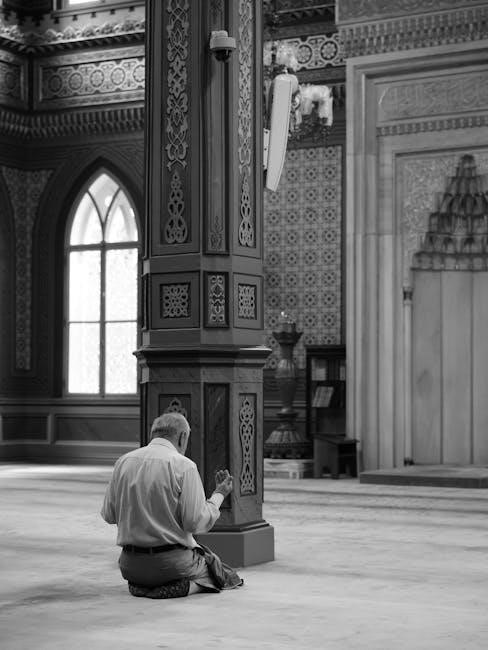
Common Mistakes to Avoid in Dua
PDF guides highlight avoiding distraction and incorrect pronunciation during post-Namaz Dua; sincere focus and proper articulation are crucial for acceptance․
Distraction During Recitation
PDF resources emphasize maintaining unwavering concentration while performing Dua after Namaz․ External disturbances, wandering thoughts, or preoccupation with worldly matters severely diminish the efficacy of supplication․ The heart must be fully present, engaged with the meaning of the words uttered․ Avoiding distractions—checking phones, glancing around, or letting the mind drift—is paramount․
Genuine humility and a sincere connection with Allah are lost when focus wavers․ A distracted Dua becomes a mere recitation of words, devoid of the spiritual power it should possess․ Prioritize a quiet environment and consciously redirect your attention back to the divine presence whenever your mind wanders․
Incorrect Pronunciation
Many Dua after Namaz PDF guides stress the importance of accurate Arabic pronunciation․ Mispronouncing words, particularly in essential phrases like Astaghfirullah or Ayatul Kursi, can alter their meaning and diminish their spiritual benefit․ Online resources, including duas․org, often provide audio recitations to aid correct articulation․
Effort should be made to learn the proper sounds, even if it requires seeking guidance from someone knowledgeable․ While sincerity is vital, striving for accurate pronunciation demonstrates respect for the divine words and enhances the effectiveness of the supplication․

Variations in Dua Recitation Across Different Schools of Thought
Dua after Namaz, detailed in many PDF guides, exhibits slight variations among schools of thought, primarily in specific supplemental duas recited․
Differences in Specific Duas
Dua traditions following Namaz, often compiled in accessible PDF formats like those found on duas․org, reveal nuanced differences․ While the core elements – Astaghfirullah, Ayatul Kursi, and the Tasbeeh – remain consistent across most schools of thought, the supplementary duas vary․ Some traditions emphasize specific supplications for forgiveness, while others prioritize requests for worldly benefit or protection․ These variations reflect differing interpretations and emphases within Islamic jurisprudence, yet the underlying intention of seeking Allah’s blessings remains universally shared, readily available for study in detailed PDF resources․
Common Ground in the Core Practices
Despite variations in supplemental duas – often detailed in comprehensive PDF guides like those available on duas․org – a strong commonality exists in post-Namaz practice․ The recitation of Astaghfirullah (seeking forgiveness) three times, followed by Ayatul Kursi, and the Tasbeeh (Subhanallah, Alhamdulillah, Allahu Akbar) forms the bedrock of this ritual․ This core sequence, consistently emphasized by prophetic teachings, unites Muslims across different schools of thought, providing a shared spiritual experience, easily accessible through readily available PDF resources․
The Role of Intention (Niyyah) in Dua
Dua, even those found in a pdf guide, requires sincere intention (Niyyah) and a humble heart to connect with Allah effectively․
Sincerity and Focus
Sincerity is paramount when performing Dua after Namaz, even when utilizing a pdf resource for guidance․ A focused mind, free from worldly distractions, allows for a deeper connection with the Divine․ The intention (Niyyah) must be pure, directed solely towards Allah, seeking His blessings with humility․ Reciting the Dua mechanically, without understanding or heartfelt devotion, diminishes its power․ True acceptance hinges on a genuine desire for closeness to Allah, expressed through focused attention and a sincere heart, regardless of the source – be it memorized or from a downloadable pdf․
The Power of a Humble Heart
A humble heart is central to effective Dua after Namaz, even when referencing a pdf guide․ Arrogance and self-importance create barriers between the supplicant and Allah․ Recognizing one’s dependence on the Divine, acknowledging shortcomings, and approaching Allah with reverence unlocks the doors to acceptance․ The Dua, whether recited from memory or a downloaded pdf, gains potency through genuine humility․ A broken spirit, admitting neediness, resonates deeply with Allah, fostering a stronger connection and increasing the likelihood of answered prayers․

Dua for Specific Needs After Namaz
Dua for family and parents, alongside core recitations, can be found in comprehensive pdf guides detailing post-Namaz supplications for diverse needs․
Dua for Parents
Dua specifically for parents, recited after Namaz, holds immense significance in Islam, seeking Allah’s blessings and forgiveness for them in this life and the hereafter․ Numerous pdf resources, such as those available online, compile powerful supplications tailored for parental well-being․ These duas often express gratitude for their sacrifices, request for their health, and implore for their guidance․
Finding these specific duas within a consolidated pdf format simplifies their memorization and consistent recitation, fostering a stronger connection with Allah and honoring one’s parents․
Dua for Family
Dua offered for the entire family after Namaz is a beautiful expression of love, care, and a desire for collective well-being, often found compiled in convenient pdf guides․ These supplications encompass requests for health, prosperity, harmony, and protection from hardship for all family members․
Many downloadable pdf resources provide specific duas addressing familial bonds, seeking Allah’s guidance in strengthening relationships and fostering a loving environment․ Consistent recitation reinforces unity and invokes divine blessings upon the household․

Advanced Concepts in Dua
Dua intricacies, including Qada for missed prayers, and proper etiquette, are detailed in comprehensive pdf guides available online for deeper understanding․
The Concept of Qada (Making up Missed Prayers and Duas)
Qada, meaning to make up, addresses instances where post-Namaz Dua is unintentionally omitted․ Islamic scholarship emphasizes the importance of fulfilling missed obligations, including these supplications․ Resources, often found as a pdf download, detail the procedure for performing Qada․
It’s crucial to sincerely intend to rectify the omission․ While immediate Qada is preferred, performing it later is permissible․ Detailed guides, like those accessible online, clarify the nuances of making up missed Dua, ensuring adherence to proper Islamic practice and seeking forgiveness for any lapse․
The Etiquette of Making Dua
Proper etiquette enhances the acceptance of Dua after Namaz․ Sincerity, humility, and a focused heart are paramount․ Avoiding distractions and maintaining reverence are essential components․ Many pdf guides detailing post-Namaz practices emphasize these points․
Facing the Qibla, raising hands (though not mandatory), and using respectful language are recommended․ It’s vital to believe in Allah’s responsiveness and persistently supplicate․ Resources available online and in pdf format offer comprehensive guidance on perfecting this sacred act of worship and connection with the Divine․