
Ryobi Weed Trimmer Owners Manual: A Comprehensive Guide
This comprehensive guide offers easy-to-understand operating instructions for Ryobi weed trimmers‚ ensuring optimal performance and longevity of your outdoor power tool.
Ryobi weed trimmers are popular choices for homeowners seeking reliable and versatile tools for yard maintenance. Known for their cordless convenience and affordability‚ Ryobi offers a diverse range of models to tackle various trimming tasks. This manual serves as a vital resource for both new and experienced users‚ providing essential information to maximize the performance and lifespan of your Ryobi trimmer.
Understanding your trimmer’s features and operating procedures is crucial for safe and efficient operation. This guide details everything from assembly and operation to maintenance and troubleshooting‚ referencing available online resources and downloadable manuals. Proper use‚ as outlined within‚ ensures a beautifully maintained lawn and garden for years to come.
Understanding Your Ryobi Model (2079R & Others)
Ryobi offers a variety of weed trimmer models‚ including the popular 2079R and numerous others within the 40V line. Each model possesses unique features‚ such as adjustable cutting widths‚ variable speed controls‚ and different trimmer head options. Before operation‚ familiarize yourself with the specific components and functionalities of your particular Ryobi trimmer.
Referencing your model’s specific operator’s manual – readily available online – is essential. These manuals detail specific part diagrams‚ charging instructions (for cordless models)‚ and recommended operating procedures. Understanding these nuances ensures optimal performance and safe operation tailored to your specific Ryobi weed trimmer.
Safety Precautions
Prioritizing safety is paramount when operating a Ryobi weed trimmer. Always wear appropriate personal protective equipment (PPE)‚ including eye protection‚ hearing protection‚ and sturdy footwear. Ensure the work area is clear of bystanders‚ children‚ and pets. Never operate the trimmer with damaged parts‚ and always disconnect the battery (for cordless models) before making any adjustments or repairs.
Be mindful of potential hazards like thrown objects. Inspect the trimmer head and grass deflector for secure attachment before each use. Read and thoroughly understand all safety warnings and instructions detailed in the operator’s manual before commencing operation to prevent injury.
General Safety Rules
Always read the complete operator’s manual before using your Ryobi weed trimmer. Maintain a firm grip on the trimmer with both hands during operation. Avoid operating the trimmer in wet or damp conditions‚ and never use it near flammable liquids or gases. Inspect the power cord (if applicable) for damage before each use‚ and do not use if damaged.

Keep guards in place and functioning correctly. Never attempt to modify the trimmer in any way. Be aware of your surroundings and potential hazards. Store the trimmer in a safe‚ dry location out of reach of children when not in use.
Specific Safety Warnings for Weed Trimmers
Exercise extreme caution when operating a Ryobi weed trimmer‚ as rotating parts can cause serious injury. Wear appropriate safety gear‚ including eye protection‚ long pants‚ and sturdy footwear. Avoid trimming near objects that could cause projectiles. Be mindful of bystanders and keep them at a safe distance.
Never operate the trimmer with a damaged trimmer head or guard. Regularly inspect the trimmer line for wear and replace it as needed. Disconnect the battery (for cordless models) before making any adjustments or repairs. Avoid prolonged exposure to trimmer vibrations.
Parts Identification

Familiarize yourself with the key components of your Ryobi weed trimmer. The trimmer head houses the rotating line and includes the grass deflector for debris protection. Engine/Motor components vary by model – gas models feature a spark plug‚ while cordless models utilize a battery and motor assembly.
The handle and shaft assembly provide control and reach during operation. Understanding these parts is crucial for proper assembly‚ maintenance‚ and troubleshooting. Refer to diagrams in the full owner’s manual for detailed illustrations and specific part names related to your Ryobi model.
Trimmer Head Components
The trimmer head is the business end of your Ryobi weed trimmer‚ responsible for cutting grass and weeds. Key components include the spool‚ which holds the trimmer line‚ and the line release button or mechanism for advancing the line. A grass deflector is crucial‚ protecting the user from flying debris.
Inspect these parts regularly for wear and damage. The head often features slots for attaching the deflector securely. Understanding how the line feeds and releases is vital for efficient trimming. Refer to your model’s specific diagram within the owner’s manual for detailed identification of each component.
Engine/Motor Components
For gas-powered Ryobi trimmers‚ the engine comprises a spark plug‚ carburetor‚ fuel tank‚ and muffler. Regular spark plug replacement is essential for reliable starting and performance. Cordless models feature a motor powered by a Ryobi One+ battery pack. Proper battery care and charging‚ as detailed in the operator’s manual‚ maximize battery life.
Inspect the engine or motor housing for damage. Ensure proper ventilation for gas engines. Familiarize yourself with the location of key components for maintenance. Always disconnect the battery before performing any service on cordless models to prevent accidental activation.
Handle and Shaft Assembly
The handle provides control and comfort during operation. It typically features adjustable height settings for ergonomic use. The shaft connects the handle to the trimmer head‚ housing the drive shaft or motor components. Ensure the handle is securely attached before each use‚ checking for any looseness in the bolts or clamps.
Inspect the shaft for cracks or damage. Proper alignment of the handle and shaft is crucial for balanced operation. Some models offer collapsible shafts for compact storage. Refer to the manual for specific instructions on adjusting or disassembling these components.
Assembly Instructions
Before operation‚ careful assembly is essential for safe and effective trimming. Begin by attaching the handle to the shaft‚ ensuring a secure fit with all provided hardware. Next‚ install the trimmer head‚ aligning it correctly with the shaft and tightening any locking mechanisms. For cordless models‚ connect the battery pack‚ verifying proper polarity and a firm connection.
Always refer to the detailed diagrams in your specific model’s manual. Double-check all connections before starting the trimmer. Improper assembly can lead to malfunctions or safety hazards.
Attaching the Handle
Securely fasten the handle to the trimmer shaft using the provided bolts and screws; Ensure the handle is aligned correctly for comfortable operation and optimal control. Tighten all hardware firmly‚ but avoid over-tightening‚ which could damage the components.
The handle often features multiple adjustment points to customize the grip for different user preferences. Refer to the diagrams in your owner’s manual for specific instructions related to your Ryobi model. A properly attached handle is crucial for maintaining balance and reducing fatigue during trimming tasks.

Installing the Trimmer Head
Begin by carefully aligning the trimmer head with the drive shaft. Gently push the head onto the shaft until it clicks securely into place. Ensure the line feed mechanism is properly engaged before proceeding. Some models require twisting the head while applying pressure for a firm connection.
Fit the grass deflector into the designated slots on the trimmer head‚ ensuring it’s securely fastened. This shield is vital for safety‚ protecting you from flying debris. Consult your owner’s manual diagrams for correct orientation. A properly installed trimmer head guarantees efficient line feeding and optimal cutting performance.
Connecting the Battery (for cordless models)
To begin‚ ensure the trimmer is switched off before connecting the Ryobi One+ battery. Align the battery pack with the receiver on the tool and slide it in until it clicks‚ indicating a secure connection. Verify the battery is fully charged for optimal performance; refer to the battery’s operator manual for complete charging instructions.
Always inspect the battery contacts for cleanliness and damage before each use. A secure connection is crucial for consistent power delivery. Avoid forcing the battery; if resistance is felt‚ re-align and try again. Proper battery connection ensures safe and efficient operation of your cordless Ryobi trimmer.
Operating Instructions
Before starting‚ ensure the trimmer head is correctly installed and the grass deflector is securely in place. To initiate operation‚ simply squeeze the trigger located on the handle. Maintain a firm grip with both hands for stability and control during trimming. Begin with slow‚ sweeping motions‚ gradually increasing speed as you become comfortable.
Always wear appropriate safety gear‚ including eye protection‚ and be mindful of surrounding objects and people. Avoid trimming in wet conditions. Familiarize yourself with the trimmer’s controls and features before each use to ensure safe and effective operation. Start your journey with confidence!
Starting the Trimmer
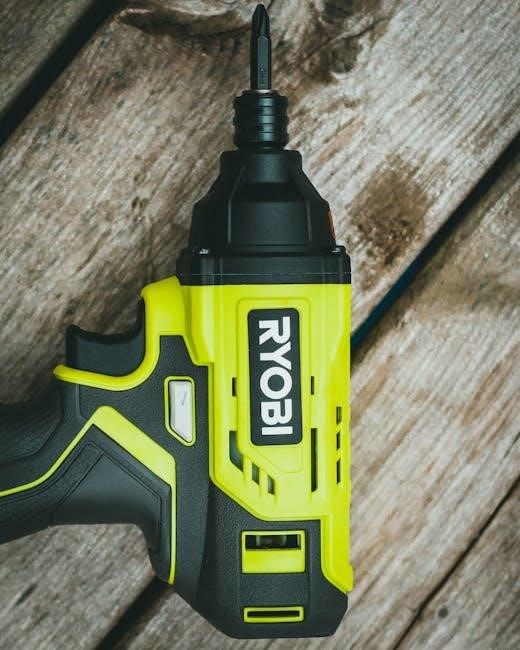
For cordless models‚ verify the battery is fully charged and properly connected. Ensure the safety lock-out button is engaged before squeezing the trigger. A single squeeze will activate the trimmer. For gas-powered models‚ prime the engine by pressing the primer bulb several times. Then‚ engage the choke and pull the starter cord firmly until the engine starts.
Release the choke gradually as the engine warms up. If the trimmer fails to start‚ repeat the priming and starting procedure. Always start the trimmer on a flat‚ stable surface‚ away from flammable materials. Refer to your specific model’s manual for detailed starting instructions.
Proper Trimming Techniques
Maintain a safe distance from plants and objects while trimming. Use a sweeping motion‚ moving the trimmer head from side to side. Avoid forcing the line against thick stems or hard surfaces‚ as this can cause premature wear. For optimal results‚ trim in a downward arc‚ keeping the trimmer head slightly angled towards the ground.
Overlap each pass slightly to ensure complete cutting. Be mindful of debris being thrown; wear appropriate safety gear. Regularly check the trimmer line and replace it as needed to maintain cutting efficiency. Avoid trimming in wet conditions for safety and performance.
Adjusting Cutting Height
Ryobi weed trimmers often feature adjustable cutting heights‚ typically controlled via the trimmer head or shaft. Consult your specific model’s manual for precise instructions. Some models utilize a bump feed system; tapping the head on the ground releases more line‚ effectively lowering the cutting height. For fixed height adjustments‚ locate the height adjustment mechanism – often a knob or lever – and set it to your desired level.
Experiment with different heights to achieve the desired finish. Lower settings are ideal for detailed trimming‚ while higher settings are suitable for larger areas. Regularly check and readjust as needed to maintain consistent cutting performance.
Maintenance
Regular maintenance is crucial for extending the life and performance of your Ryobi weed trimmer. Key tasks include routinely replacing the trimmer line‚ ensuring optimal cutting efficiency. For gas-powered models‚ periodic spark plug replacement is essential for reliable starting and smooth operation. Always disconnect the spark plug before performing any maintenance.
Cordless models require diligent battery care; follow the manufacturer’s instructions for proper charging and storage to maximize battery life. Inspect all components for wear and tear‚ and clean the trimmer after each use. Refer to your owner’s manual for detailed maintenance schedules;
Replacing the Trimmer Line
To replace the trimmer line‚ first‚ ensure the trimmer is switched off and the battery is disconnected (for cordless models) or the spark plug is disconnected (for gas models). Open the trimmer head‚ typically by pressing release tabs. Remove the old trimmer line spool and clean the head thoroughly.
Install a new spool of the correct diameter line‚ ensuring it winds onto the spool in the direction indicated by the arrows. Reassemble the trimmer head‚ making sure it clicks securely into place. Follow the manual’s instructions for line feeding; some models require manual feeding‚ while others are automatic.
Spark Plug Replacement (for gas models)

For gas-powered Ryobi trimmers‚ spark plug replacement is crucial for maintaining engine performance. First‚ disconnect the spark plug wire. Use a spark plug wrench to carefully remove the old spark plug. Inspect the new spark plug for damage and ensure it has the correct heat range specified in your owner’s manual.
Gap the new spark plug according to the manual’s specifications using a spark plug gapping tool. Carefully thread the new spark plug into the engine cylinder by hand to avoid cross-threading‚ then tighten it with the wrench to the recommended torque. Reconnect the spark plug wire securely.

Battery Care and Charging (for cordless models)
Ryobi’s cordless weed trimmers rely on optimal battery care for peak performance. Always refer to your battery pack’s operator’s manual for complete charging instructions. Use only the Ryobi-approved charger for your specific battery model. Avoid charging in extreme temperatures – ideally between 41°F and 104°F (5°C and 40°C).
To maximize battery life‚ avoid completely discharging the battery before recharging. Store batteries in a cool‚ dry place‚ and never disassemble or modify them. Regularly clean the battery terminals to ensure a good connection. Proper battery maintenance extends the life and efficiency of your Ryobi trimmer.
Troubleshooting Common Issues
If your Ryobi trimmer won’t start‚ first ensure the battery is fully charged and properly connected (for cordless models). For gas models‚ check the spark plug and fuel levels. Line feed problems often stem from an empty spool or a clogged line outlet – replace the line or clear any obstructions.
Overheating issues can occur during prolonged use in hot conditions. Allow the trimmer to cool down before resuming operation. If problems persist‚ consult the full operator’s manual or Ryobi’s online support resources for detailed troubleshooting steps and potential solutions.
Trimmer Won’t Start
If your Ryobi trimmer fails to start‚ begin by verifying the battery charge (for cordless models) and ensuring a secure connection. Inspect the spark plug for gas-powered trimmers; a fouled or damaged plug will prevent ignition. Confirm adequate fuel levels and that the fuel valve is open.
Also‚ check the safety lock-out; it must be engaged for operation. A clogged air filter can also hinder starting. Refer to your operator’s manual for specific troubleshooting steps related to your Ryobi model‚ and consider online resources for further assistance.
Line Feed Problems
Experiencing issues with line feed? First‚ ensure you’ve properly loaded new trimmer line‚ following the instructions in your owner’s manual. Verify the trimmer head is securely attached and the line isn’t tangled within the spool. Attempt a manual line feed by tapping the head on a hard surface while the trimmer is running.
If problems persist‚ inspect the eyelets for wear or damage‚ as these guide the line. A dirty or worn trimmer head can also cause feeding issues. Consult the manual for disassembly and cleaning procedures‚ and consider replacing worn components.
Overheating Issues
If your Ryobi trimmer overheats‚ immediately stop operation and disconnect the battery (for cordless models) or remove the spark plug wire (for gas models). Overheating often results from prolonged use in thick‚ dense vegetation‚ restricting airflow. Allow the trimmer to cool completely before attempting to restart it.
Inspect the air vents for obstructions like grass clippings or debris‚ and clear them thoroughly. Ensure proper ventilation during use. For gas models‚ check the engine cooling fins. Consistent overheating may indicate a more serious mechanical issue; consult a qualified service technician.
Ryobi Warranty Information
Ryobi offers a warranty on its weed trimmers‚ covering defects in materials and workmanship for a specified period. The standard warranty typically begins from the date of purchase‚ requiring proof of purchase for claims. Warranty coverage varies depending on the specific model and region; always refer to the warranty statement included with your trimmer.
The warranty generally does not cover items damaged through misuse‚ abuse‚ normal wear and tear‚ or unauthorized modifications. To initiate a warranty claim‚ contact Ryobi customer service or an authorized service center. Retain your original purchase receipt and warranty documentation.
Finding Additional Resources & Manuals Online
Ryobi provides extensive online resources for its weed trimmer owners‚ including downloadable manuals‚ parts diagrams‚ and helpful videos. The official Ryobi website is the primary source for these materials‚ allowing users to easily locate information specific to their model number – such as the 2079R.
Websites like The Manual Library also host archived Ryobi manuals‚ offering alternative access points. Furthermore‚ platforms like YouTube feature numerous user-generated tutorials covering maintenance‚ repairs‚ and operating techniques. Always verify the information’s accuracy before implementing any changes.